Author: admin

  • The Sustainability Advantage of Solid Surface in Modern Architecture

    Sustainability has become a defining principle in modern architecture and interior design. As architects, designers, and developers look for materials that balance performance with environmental responsibility, solid surface stands out as a forward-thinking choice.
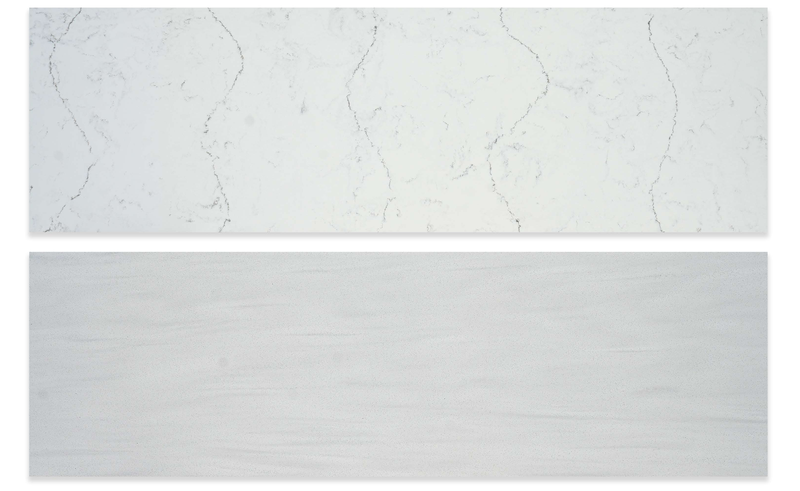
    Solid surface materials

    Introduction

    Sustainability has become a defining principle in modern architecture and interior design. As architects, designers, and developers look for materials that balance performance with environmental responsibility, solid surface stands out as a forward-thinking choice. Combining durability, renewability, and low environmental impact, it aligns with the growing demand for eco-friendly construction materials. This blog explores the sustainability advantages of solid surface and why it is gaining prominence in green building projects.

    1. Sustainable Manufacturing Process

    Unlike natural stone, which requires extensive quarrying and transportation, solid surface is produced using acrylic, natural minerals, and fillers in a controlled factory setting.

    • Reduced waste: Manufacturing processes are optimized to minimize scrap, and unused material can often be recycled back into production.

    • Local sourcing: Many manufacturers strategically locate production facilities near target markets to reduce transportation emissions.

    • Lower energy consumption compared to quarrying and finishing natural stones like granite or marble.

    2. Long Lifespan = Reduced Replacement

    One of the most sustainable aspects of solid surface is its longevity.

    • Resistant to wear, impact, and daily use.

    • Non-porous surface prevents bacteria growth, mold, and water damage, which often shorten the lifespan of other materials.

    • Because solid surface can last decades, it reduces the need for frequent replacement, lowering overall resource consumption.

    3. Repairability and Renewability

    Sustainability is not just about how a material is made but also how it performs throughout its life cycle.

    • Easily repairable: Scratches, burns, or cracks can be sanded or refinished instead of replacing the entire piece.

    • Renewable surface: After years of use, a solid surface countertop or wall panel can be restored to its original look, extending its lifespan significantly.

    • Waste reduction: Repairability reduces the disposal of large-scale building materials into landfills.

    4. Indoor Air Quality and Health Benefits

    Solid surface supports healthy indoor environments, which is a key factor in green building certifications like LEED.

    • Non-porous = no harboring of bacteria, mold, or mildew.

    • Low VOC emissions = contributes to better indoor air quality.

    • Often certified by environmental and safety standards (e.g., Greenguard Gold Certification) for use in healthcare, hospitality, and residential applications.

    5. Contribution to Green Building Certifications

    Using solid surface can help projects achieve points toward LEED, WELL, or BREEAM certifications.

    • Material reuse & recyclability

    • Low VOC content

    • Durability credits due to long lifespan

    • Regional sourcing credits depending on supply chain

    This makes solid surface particularly appealing for hotels, hospitals, schools, and residential complexes aiming for sustainability recognition.

    6. Design Flexibility with Less Waste

    Solid surface is thermoformable, allowing complex shapes and seamless designs.

    • Reduces the need for extra joints, adhesives, or fillers, lowering overall material usage.

    • Enables efficient material utilization during fabrication with fewer offcuts compared to natural stone slabs.

    • Leftover pieces can be repurposed into smaller products such as shelves, backsplashes, or vanity tops.

    7. Case Study: Green Hotels and Healthcare Facilities

    Hotels and hospitals are early adopters of sustainable solid surface use:

    • Hotels: Choose solid surface vanities, wall cladding, and bar tops for durability and eco-friendly branding.

    • Healthcare facilities: Prioritize non-porous, hygienic, and sustainable materials for infection control while meeting environmental goals.

    Conclusion

    Solid surface offers a compelling combination of eco-friendly production, repairability, long lifespan, and recyclability. As green building standards become mainstream, architects and developers increasingly turn to solid surface as a sustainable solution that balances beauty, performance, and responsibility.

    If you’re planning a hotel, apartment, or commercial project, choosing solid surface not only enhances durability but also aligns your development with the sustainability goals shaping modern construction.
  • What Is Solid Surface and Why It’s Ideal for Modern Interiors

    In the world of modern interior design, surface materials play a crucial role in determining not just the visual appeal of a space, but also its functionality, durability, and maintenance requirements. One material that has become a favorite among architects, designers, and homeowners alike is solid surface. But what exactly is solid surface, and why has it earned such a strong reputation in the construction and design industry?

    Solid surface materials

    Introduction

    In the world of modern interior design, surface materials play a crucial role in determining not just the visual appeal of a space, but also its functionality, durability, and maintenance requirements. One material that has become a favorite among architects, designers, and homeowners alike is solid surface. But what exactly is solid surface, and why has it earned such a strong reputation in the construction and design industry?

    What Is Solid Surface?

    Solid surface is an advanced man-made surfacing material primarily composed of acrylic resins, polyester resins, and natural mineral fillers. It was originally developed in the 1960s as an alternative to natural stone, offering the beauty of stone but with greater flexibility and repairability. Unlike natural stone, solid surface can be thermoformed, seamlessly joined, and easily refinished, making it a versatile choice for a wide range of applications.

    How It’s Made

    Solid surface sheets are manufactured in controlled environments to ensure consistency in color, texture, and physical performance. Pigments and mineral fillers are mixed with resin to create a homogeneous material, which is then poured into molds and cured under specific temperatures. The result is a non-porous, durable, and customizable sheet that can be cut, shaped, and bonded into virtually any design.

    Key Advantages of Solid Surface

    1. Non-Porous & Hygienic

      Solid surface does not absorb liquids, making it highly resistant to stains, bacteria, and mold growth. This makes it ideal for kitchens, bathrooms, and healthcare environments.

    2. Seamless Appearance

      Using color-matched adhesives, solid surface sheets can be bonded together to create invisible joints, producing a smooth, continuous surface.

    3. Repairable & Renewable

      Scratches, chips, and burns can often be sanded or polished out, restoring the original beauty of the material without full replacement.

    4. Design Flexibility

      It can be cut into any shape, thermoformed into curves, or integrated with sinks and backsplashes for a unified look.

    5. Color and Pattern Variety

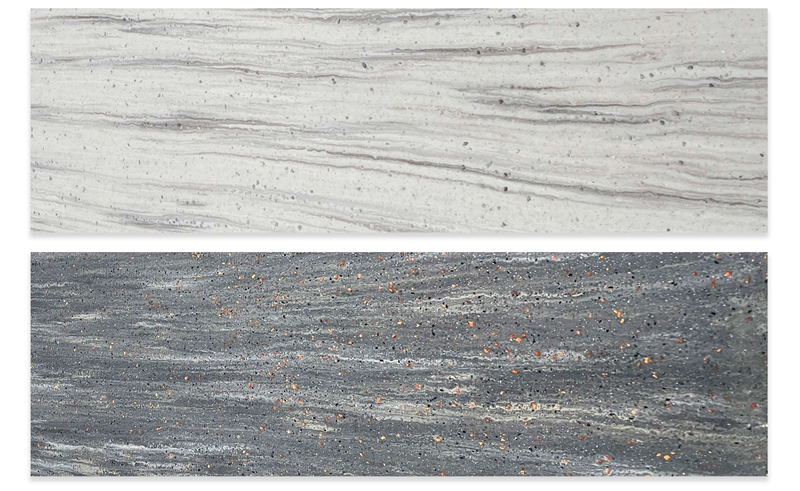
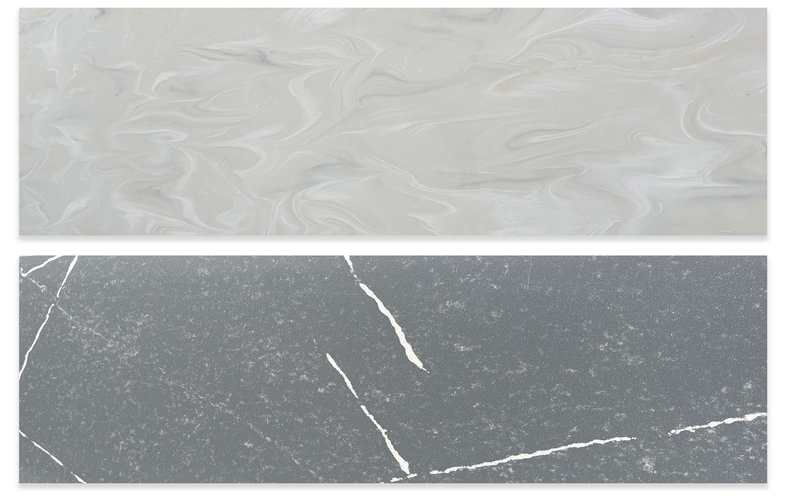
      Available in an extensive range of colors, from solid tones to marble-like veining, allowing it to complement any interior style.

    Common Applications

    • Kitchen Countertops – Easy to clean, integrated sinks, and seamless backsplashes.

    • Bathroom Vanities – Moisture-resistant and stylish.

    • Commercial Reception Desks – Custom shapes and branding possibilities.

    • Wall Cladding – Hygienic and decorative for hospitals and restaurants.

    • Furniture – Conference tables, dining tables, and retail display units.

    Why Designers and Builders Choose Solid Surface

    For modern interiors, solid surface offers a perfect balance between beauty, practicality, and cost-effectiveness. It meets the high demands of commercial projects while providing the aesthetic flexibility that designers crave. Its ability to be customized, repaired, and maintained over time makes it a long-term investment for both residential and commercial spaces.

    Conclusion

    Solid surface is more than just another countertop material — it’s a design solution. Whether you’re outfitting a home kitchen, a luxury hotel, or a busy hospital, solid surface delivers performance, hygiene, and elegance in one package. If you value durability, seamless design, and customization, it’s hard to beat the versatility of solid surface.

  • The Versatility of Solid Surface: From Countertops to Custom Applications

    Solid surface has become one of the most versatile and innovative materials in modern interior design and architectural projects. Known for its seamless finish, durability, and adaptability, it is now widely used in both residential and commercial environments. From classic countertops to fully customized furniture and decorative applications, solid surface has proven to be much more than just a surface material—it is a creative tool that empowers designers, architects, and fabricators to push the boundaries of imagination.

    Solid surface materials

    Solid surface has become one of the most versatile and innovative materials in modern interior design and architectural projects. Known for its seamless finish, durability, and adaptability, it is now widely used in both residential and commercial environments. From classic countertops to fully customized furniture and decorative applications, solid surface has proven to be much more than just a surface material—it is a creative tool that empowers designers, architects, and fabricators to push the boundaries of imagination.

    What Makes Solid Surface Unique?

    At its core, solid surface is a blend of natural minerals and high-performance acrylic resins. This combination creates a non-porous, hygienic, and highly durable sheet material that can be cut, shaped, and joined with invisible seams. Unlike natural stone such as granite or marble, solid surface is warm to the touch, repairable, and available in a wide range of colors and patterns.

    Its thermoformability—the ability to be heated and molded into curved or 3D shapes—sets it apart from most other surface materials. This feature enables designers to move beyond flat countertops into more complex and creative applications.

    Classic Applications: Countertops and Vanity Tops

    The most common use of solid surface remains kitchen countertops and bathroom vanity tops. Its smooth, non-porous nature makes it resistant to stains, mold, and bacteria, which is essential for areas with constant exposure to water and food preparation. The seamless joints eliminate crevices where dirt and moisture can accumulate, ensuring both hygiene and easy cleaning.

    In addition, the wide choice of colors and textures allows homeowners and hoteliers to achieve both classic elegance and modern minimalism. Whether imitating natural stone patterns or providing bold contemporary designs, solid surface can fit into any interior theme.

    Beyond Countertops: Furniture and Wall Cladding

    Solid surface is no longer limited to horizontal surfaces. Its flexibility allows it to be used as furniture panels, tabletops, reception desks, and even integrated sinks. In hospitality projects, reception counters made of solid surface provide a sleek, high-end first impression while ensuring long-term durability against daily wear and tear.

    Wall cladding is another growing trend. Solid surface panels can be installed on vertical surfaces in lobbies, bathrooms, or corridors, providing a luxurious appearance while maintaining easy-to-clean functionality. Since it is non-porous and water-resistant, it is particularly suitable for humid environments such as spas, swimming pools, and healthcare facilities.

    Custom Applications: Creativity without Limits

    Thanks to thermoforming technology, solid surface can be shaped into curves, waves, or organic 3D designs. This opens endless possibilities for custom applications, including:

    • Sculptural furniture such as chairs, benches, and decorative elements.

    • Backlit installations where light passes through translucent solid surface sheets, creating dramatic visual effects.

    • Custom sinks and bathtubs seamlessly integrated into countertops or wall systems.

    • Retail and hospitality fixtures where branding and unique shapes are essential to creating customer experiences.

    This adaptability makes solid surface a favorite material among designers looking for creative freedom.

    Commercial Spaces: Hotels, Hospitals, and Offices

    In commercial environments, functionality must meet aesthetics. Solid surface offers the ideal balance.

    • Hotels: used for guestroom vanities, public area bars, wall panels, and custom furniture.

    • Hospitals and clinics: thanks to its hygienic properties, solid surface is widely used in operating rooms, nursing stations, and wash areas.

    • Corporate offices: solid surface reception desks, wall cladding, and conference tables contribute to a professional yet modern look.

    The material’s ability to be repaired and refinished also makes it cost-effective for long-term commercial use, reducing replacement needs.

    Sustainability and Long-Term Value

    Another key benefit of solid surface is sustainability. Many manufacturers now offer eco-friendly options with recycled content. Its long life cycle also contributes to reduced environmental impact, as damaged surfaces can be refinished instead of discarded.

    From a financial perspective, solid surface offers excellent value for money. While the upfront cost may be higher than some laminates, its durability, reparability, and design flexibility ensure a lower cost of ownership over time.

    Conclusion

    Solid surface is no longer just a countertop material—it is a design solution that adapts to the evolving needs of modern interiors. Its seamless appearance, versatility, and durability make it suitable for everything from kitchens and bathrooms to hotels, hospitals, and custom-designed furniture. For designers and buyers who want creativity, functionality, and long-term value, solid surface provides endless possibilities.

    Whether you are looking for classic countertops or one-of-a-kind custom applications, solid surface stands as a material that truly transforms spaces.

  • How Solid Surface Sheets Are Made: From Raw Materials to Finished Surfaces

    Solid surface has become a cornerstone material in modern architecture, interior decoration, and furniture design. Its durability, seamless look, and ease of customization make it highly desirable for kitchens, bathrooms, hotels, and commercial spaces. But many buyers and designers may not know the fascinating journey that solid surface sheets go through before they arrive at a project site, ready to be fabricated into countertops, wall panels, or furniture pieces.

    Artificial stone adhesive, also known as solid surface glue or engineered stone adhesive, is a specialized bonding agent used to join artificial stone materials such as cultured marble, quartz, and solid surface slabs. It plays a crucial role in ensuring seamless joints, structural integrity, and aesthetic appeal in various applications like countertops, shower walls, and vanity tops. Understanding the characteristics of artificial stone adhesive and knowing how to distinguish its quality are essential for achieving durable and high-quality installations.

    Characteristics of Artificial Stone Adhesive

    1. Strong Bonding Strength: A high-quality artificial stone adhesive ensures a firm and long-lasting bond between surfaces. It prevents cracking and separation over time, even under conditions of moisture and temperature fluctuations.

    2. Seamless Finish: One of the key attributes of artificial stone adhesive is its ability to create invisible joints. When properly applied and polished, the seam lines are barely noticeable, enhancing the overall aesthetic appeal of the installation.

    3. Fast Curing Time: Good adhesives offer a reasonable curing time, allowing for efficient installation without excessive waiting. Some high-performance adhesives cure within 20 to 30 minutes, making them ideal for professional use.

    4. Color Matching Ability: The best adhesives come in a variety of colors or can be mixed to match the artificial stone, ensuring a consistent and natural appearance without visible glue lines.

    5. Water and Chemical Resistance: Artificial stone adhesives should be resistant to water, household chemicals, and cleaning agents to maintain their integrity over time, especially in kitchens and bathrooms where exposure to moisture is frequent.

    How to Identify High-Quality Artificial Stone Adhesive

    1. Check Bonding Strength: High-quality adhesives should create a strong bond without gaps. You can test the adhesive by bonding two small pieces of artificial stone and checking if the joint remains firm after drying.

    2. Observe Seam Appearance: A good adhesive should result in a nearly invisible seam. If the joint remains highly visible or discolored after drying, the adhesive quality may be subpar.

    3. Assess Curing Time: While fast curing is beneficial, adhesives that dry too quickly may compromise workability. On the other hand, adhesives that take too long to cure can slow down the installation process. A balanced curing time of around 20–30 minutes is ideal.

    4. Test Water and Chemical Resistance: High-quality adhesives should not weaken or discolor when exposed to water or cleaning chemicals. You can test this by applying the adhesive to a surface, letting it cure, and then exposing it to moisture and common cleaning solutions.

    5. Consider Odor and Safety: Some low-quality adhesives emit strong, unpleasant odors due to high levels of volatile organic compounds (VOCs). Opt for adhesives with low VOC content to ensure a safer working environment.

    Choosing the right artificial stone adhesive is critical for achieving a durable and visually appealing installation. By understanding its characteristics and knowing how to identify quality, you can ensure long-lasting performance and seamless results in any project.

    Solid surface fabrication illustration
  • The Sustainability of Solid Surface Materials: Eco-Friendly Design for Modern Projects

    In today’s world, sustainability is no longer just a trend – it’s a responsibility. Architects, designers, and property developers are all under increasing pressure to choose materials that are not only durable and beautiful but also environmentally responsible.

    In today’s world, sustainability is no longer just a trend – it’s a responsibility. Architects, designers, and property developers are all under increasing pressure to choose materials that are not only durable and beautiful but also environmentally responsible. Solid surface materials, often recognized for their seamless beauty and high performance, are emerging as one of the most sustainable choices for modern projects ranging from residential kitchens to large-scale commercial spaces.

    This article explores the sustainability of solid surface materials, their environmental advantages, and why they represent an eco-friendly choice for forward-thinking designers and builders.

    1. Understanding Solid Surface Materials

    Solid surface is a man-made material typically composed of acrylic, polyester resins, and natural mineral fillers. Unlike traditional natural stone, which requires extensive quarrying and transportation, solid surface can be manufactured locally, reducing environmental impact.

    What sets solid surface apart is its ability to mimic natural stone while being fully renewable, repairable, and customizable. This makes it a long-lasting material that minimizes waste over time.

    2. Renewable and Repairable: Reducing Waste

    One of the strongest sustainability features of solid surface is its renewability. Unlike granite, marble, or quartz, which can crack or stain permanently, solid surface can be sanded, refinished, or repaired to look brand new.

    • Scratches and burns: Easily sanded out.

    • Chips and cracks: Professionally repairable without replacement.

    • Long lifespan: Eliminates the need for frequent replacement.

    This repairability significantly reduces the volume of waste generated by construction and renovation projects, making it an eco-friendly alternative to traditional stone.

    3. Non-Porous and Hygienic: Healthier Spaces

    Sustainability is not just about the planet – it’s also about human well-being. Solid surface is non-porous, which means it does not absorb liquids, harbor bacteria, or require harsh chemicals for cleaning.

    • Less water usage: Surfaces can be cleaned with mild soap and water.

    • No toxic sealants: Unlike natural stone, it doesn’t need chemical sealing.

    • Improved indoor air quality: Solid surface materials are often certified for low volatile organic compound (VOC) emissions.

    For hospitals, schools, and food preparation areas, these hygienic properties contribute to healthier indoor environments.

    4. Eco-Friendly Manufacturing

    Many solid surface manufacturers have taken steps to incorporate sustainability into production:

    • Recycled content: Some brands use post-consumer or post-industrial recycled materials in their formulas.

    • Local production: Reduces transportation-related carbon emissions.

    • Efficient energy use: Advanced processes minimize waste and energy consumption.

    For developers concerned with green building certifications like LEED, using solid surface can help projects earn valuable credits.

    5. Design Versatility that Supports Sustainability

    Sustainability also comes from flexibility in design. Solid surface can be fabricated into countless shapes – countertops, wall panels, sinks, shower bases, and furniture – without the need for multiple materials.

    • Thermoformable: Can be molded into curved or organic forms.

    • Seamless fabrication: Reduces joints where dirt and mold could accumulate.

    • Wide range of colors and finishes: Eliminates the need for painting or laminates, which can introduce toxins.

    This design versatility helps reduce the use of additional materials, streamlining construction and minimizing waste.

    6. Contribution to Circular Economy

    Because of its durability and renewability, solid surface supports the principles of a circular economy, where products are designed to last longer and remain in use through repair and recycling.

    • Surfaces can be repurposed into new products.

    • Offcuts can often be recycled back into new sheets.

    • Long-lasting installations reduce demand for raw materials.

    This aligns with global sustainability goals and helps reduce the carbon footprint of construction projects.

    7. Solid Surface in Green Building Projects

    Green-certified buildings, whether LEED, BREEAM, or WELL, require materials that meet strict environmental and health standards. Solid surface fits perfectly into these requirements due to its:

    • Low VOC emissions

    • Durability and long lifecycle

    • Hygienic and low-maintenance properties

    • Recyclability and repairability

    Hotels, hospitals, schools, and commercial kitchens are increasingly choosing solid surface not just for performance but also to meet sustainability benchmarks.

    8. Conclusion: A Future-Ready Material

    Solid surface materials embody the future of sustainable design. They offer a unique balance of beauty, durability, hygiene, and eco-friendliness, making them ideal for architects and developers seeking responsible solutions.

    In an era where environmental responsibility is central to every industry, solid surface provides the rare combination of design freedom and sustainability. By choosing solid surface, you’re not only creating long-lasting, beautiful interiors – you’re also making a choice that benefits both people and the planet.

    Solid surface materials
  • Solid Surface in Commercial Spaces: Why Architects and Designers Choose It

    When designing commercial spaces such as hotels, restaurants, offices, or retail stores, architects and designers face the challenge of balancing aesthetics, durability, safety, and cost efficiency. Among the many material choices, solid surface has become one of the most trusted solutions. Its versatility, seamless integration, and long-lasting performance make it a preferred choice for modern commercial interiors.

    Introduction

    When designing commercial spaces such as hotels, restaurants, offices, or retail stores, architects and designers face the challenge of balancing aesthetics, durability, safety, and cost efficiency. Among the many material choices, solid surface has become one of the most trusted solutions. Its versatility, seamless integration, and long-lasting performance make it a preferred choice for modern commercial interiors.

    In this article, we’ll explore why architects and designers increasingly select solid surface for their projects and how it enhances commercial spaces.

    What is Solid Surface?

    Solid surface is a man-made material, primarily composed of acrylic or polyester resins mixed with natural minerals. It can be thermoformed, seamlessly joined, and fabricated into custom shapes. Unlike natural stone, it is non-porous, hygienic, and repairable, making it ideal for high-traffic and high-use areas.

    Why Solid Surface is Perfect for Commercial Applications

    1.Aesthetic Flexibility

    • Available in countless colors, patterns, and finishes.

    • Can mimic natural stone or create bold, futuristic designs.

    • Seamless joints ensure a smooth, high-end look for large surfaces.

    Example: A hotel reception desk made with curved solid surface panels provides a luxurious, monolithic appearance with no visible seams.

    2.Durability in High-Traffic Areas

    • Resistant to scratches, stains, and impacts.

    • Withstands constant use in commercial environments like restaurants, airports, and hospitals.

    • Surface can be renewed by simple sanding or polishing.

    3.Hygiene and Safety

    • Non-porous surface resists bacteria, mold, and mildew growth.

    • Easy to clean and maintain—ideal for food service areas, restrooms, and healthcare facilities.

    • Many solid surface products meet NSF/ANSI food safety standards.

    4.Sustainability and Green Building Compliance

    • Many manufacturers produce eco-friendly solid surfaces using recycled content.

    • Can contribute to LEED and other green building certifications.

    • Long lifespan reduces material waste compared to frequently replaced alternatives.

    5.Customizability and Branding

    • Can be carved, engraved, or backlit for unique brand designs.

    • Thermoforming allows curves, shapes, and 3D effects that are difficult with stone or laminate.

    • Perfect for creating signature elements in hotels, retail stores, and restaurants.

    Applications in Commercial Spaces

    1. Hotels & Resorts

      • Reception counters, vanity tops, shower walls, and spa surfaces.

    2. Restaurants & Cafés

      • Dining tables, service counters, and bar tops.

    3. Healthcare Facilities

      • Nurse stations, lab counters, and patient room furniture.

    4. Retail Stores

      • Display shelves, checkout counters, and feature walls.

    5. Office Buildings

      • Conference tables, break room surfaces, and communal workstations.

    Case Example

    A global coffee chain redesigned its stores using solid surface for service counters and customer tables. The result was:

    • Faster cleaning times between customers.

    • A modern, unified look across all locations.

    • Lower long-term maintenance costs compared to laminate surfaces.

    Conclusion

    For architects and designers, solid surface combines style, functionality, and reliability. Its ability to meet commercial demands—while also offering creative freedom—explains why it is increasingly chosen for large-scale projects worldwide.

    If you are designing or furnishing a hotel, office, restaurant, or retail space, solid surface is a material that guarantees beauty, durability, and performance for years to come.

    Solid surface materials